 woodspick.
Choose around the difficult part of your day
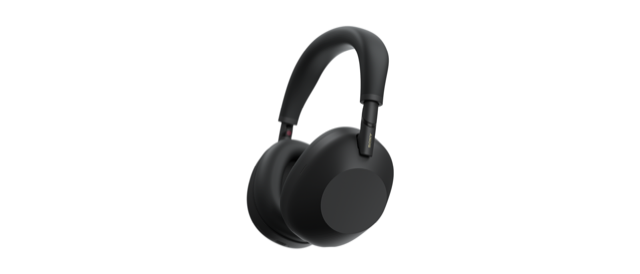
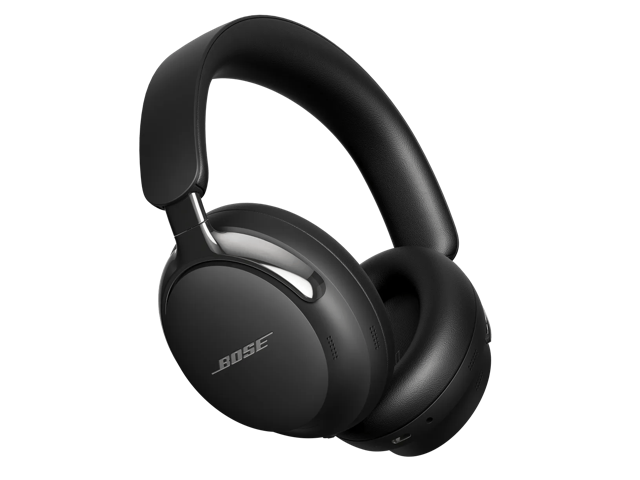
Start with the requirement that would make you return a pair. Sony is a strong shortlist for calls and adjustment; Bose merits an early audition for long-session comfort and direct USB-C playback. Both have convincing noise-cancelling evidence, so neither is an automatic winner for every traveler.
The connection differences at a glance
| What changes the decision | Sony WH-1000XM6 | Bose Ultra Headphones, second generation |
|---|---|---|
| USB-C music playback | Not supported; USB-C charging | Supported from a compatible source |
| Analog listening | Headphone-cable connection; passive operation documented | AUX connection requires power |
| Wired-call planning | Check the exact source/input route | RTINGS reports no headphone mic over wired connections |
| Bluetooth multipoint | Two devices | Two devices; one audio stream at a time |
| Manufacturer ANC-on runtime | Up to 30 hours | Up to 30 hours; up to 23 with immersive audio |
| Starting question | Are calls and adjustment central? | Are comfort and USB-C listening central? |
The table combines manufacturer documentation with the explicitly attributed RTINGS microphone finding; the decision prompts are editorial guidance. The single-product reviews link the supporting documents, while the discussion below considers independent testing.
Long flights: comfort can decide before sound settings do
RTINGS' direct comparison gives the Sony a small isolation advantage, while finding the Bose comfortable on more people and more consistent with glasses. That is a close contest in noise blocking, rather than a reason to accept a poor fit.
TechGearLab's separate reviews reinforce the comfort distinction: its Sony assessment describes pressure points during extended wear, while its Bose assessment is much more positive about long-session comfort.
The practical implication is to compare them for a session long enough to reveal pressure, using your usual glasses. Check whether moving against a seat changes the seal. A flight-length purchase should not be decided only by a brief, standing demonstration. Comfort is individual, so those reviewers' findings set useful questions rather than assigning your head a predetermined winner.
Calls: prioritize the route you actually use
RTINGS considers the Sony a potentially better choice for frequent calls, without describing the Bose as unusable. That distinction is relevant to someone who alternates between meetings and music, but less important to someone who rarely uses headphone microphones.
Make the comparison on your actual work laptop and calling app. Record a short sample or make a call from your ordinary environment, then verify which microphone the application selected. The ability to connect a headphone is not the same as selecting it correctly for both input and output.
The Bose has a specific wired qualification: its headphone microphone is unavailable over the wired routes in RTINGS' testing. USB-C listening may still suit a laptop with a good built-in microphone, but it should not be presented as a one-cable replacement for every meeting headset. Neither product's music connection alone establishes a complete communications setup.
USB-C: Bose has the simpler digital-listening route
If your goal is computer music through a USB-C cable, the Bose is the direct fit of these two. Sony's USB-C connection charges rather than accepting audio, so a wired Sony setup needs the analog route and any source adapter that entails.
Bose specifies 16-bit USB audio at 44.1 or 48 kHz. Its use of the word lossless should not become an unsupported promise of every high-resolution format or an audible improvement in every setting. Check the source and cable, then consider whether that route removes an inconvenience you actually encounter.
For an airplane entertainment system, separately check the available socket and any adapter required. USB-C capability does not make every aircraft's screen a compatible digital source. Both the connection and the way you intend to power the headphones belong in the packing plan.
Software and battery figures deserve context
Both can serve a two-device Bluetooth routine, but optional wireless formats depend on the source. Sony documents LDAC and compatible LE Audio operation; Bose links Snapdragon Sound features to certified devices. An iPhone user and an Android user may therefore attach different value to the same feature list.
Do not select a battery winner by mixing a manufacturer's maximum, another site's measurement and different audio settings. Use the stated modes in the table as starting points, leave a margin, and charge before a long journey. A headline runtime answers less than whether your chosen mode covers the longest uninterrupted session.
Which should you put in your basket?
Shortlist the Sony WH-1000XM6 when calls and flexible adjustment have the strongest claim on your budget. Shortlist the Bose Ultra second generation when prolonged comfort or USB-C playback is the problem to solve. If your current pair already meets those needs, neither flagship is an automatic upgrade.
Compare the exact black-model offers for Sony on Amazon and Bose on Amazon, including package contents and return terms. Make the final choice around the session, connection and fit you will actually use.
Sources
Model information checked November 1, 2026. Manufacturer specifications and each publisher’s findings are identified in the text. Their test conditions and methods can differ.
- RTINGS: exact-model head-to-head comparison
- Sony US support: WH-1000XM6 specifications
- Sony Help Guide: supported codecs
- Sony Help Guide: connecting two devices
- TechGearLab: WH-1000XM6 independent review
- Bose US: Ultra Headphones second-generation features and USB audio FAQ
- Bose owner's guide: connections, operating modes and battery conditions
- RTINGS: Ultra Headphones second-generation independent review
- TechGearLab: Ultra Headphones second-generation independent review
- SoundGuys: Sony WH-1000XM6 connection review